August 20, 2026 • Marisol Vane • 10 min reading time • Prices verified June 4, 2026
Slow Feeder Bowls by Material: Plastic, Stainless, and Ceramic Tested by Real Gulpers
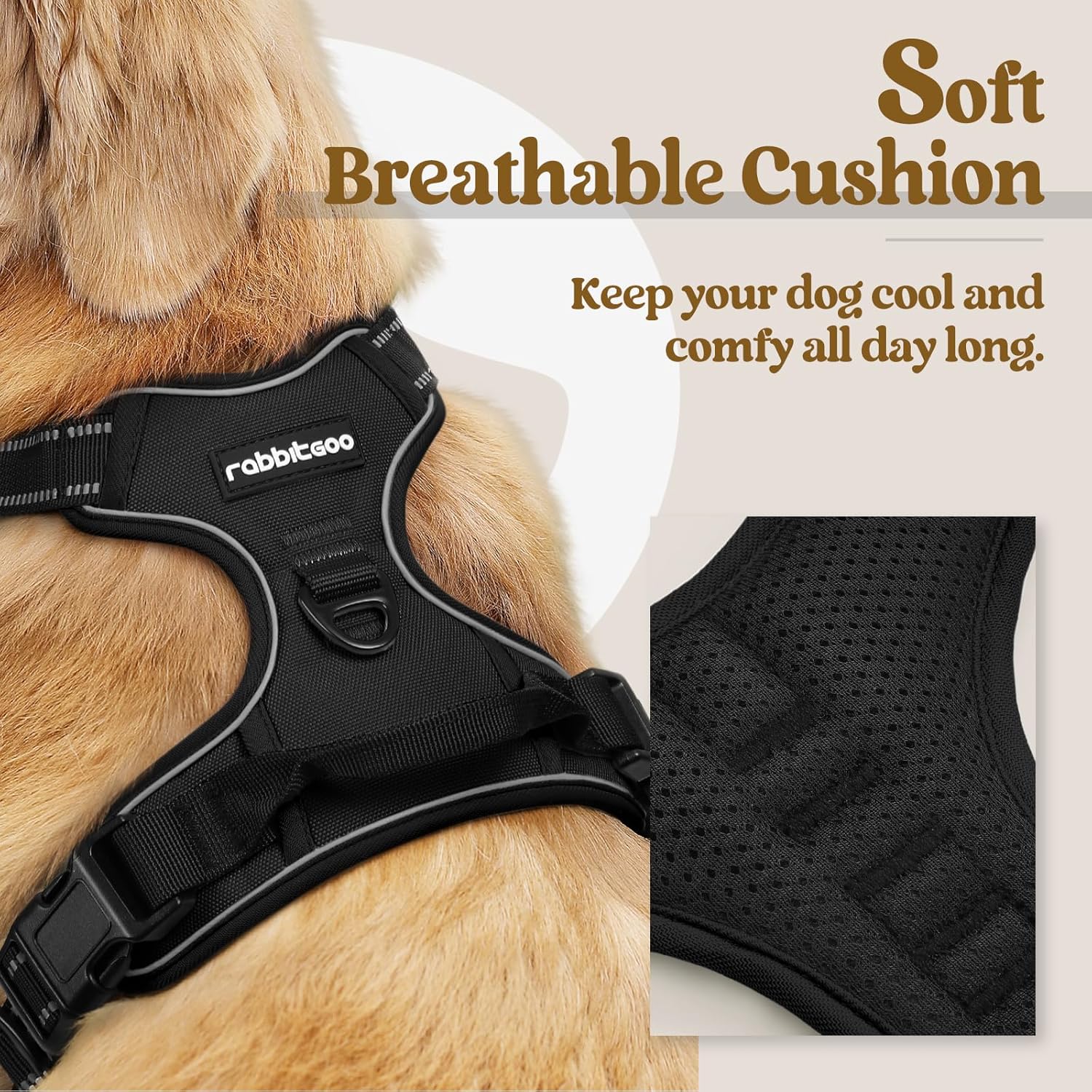
If you’ve watched your dog inhale a full bowl of kibble in under thirty seconds and then looked up in mild horror, you’ve already identified the problem this article addresses. A slow feeder bowl — any bowl designed with ridges, mazes, or raised obstacles in the eating surface — physically forces a dog to navigate around those obstacles to reach food, extending mealtime from seconds to several minutes. That mechanical slowdown matters because fast eating is linked to gastrointestinal discomfort, vomiting, and, in larger breeds, a serious and potentially life-threatening condition called gastric dilatation-volvulus (GDV), commonly called bloat, where the stomach fills with gas and can twist on itself. The American Kennel Club, in its published guidance titled “Bloat in Dogs,” notes that rapid eating and aerophagia — swallowing air while gulping food — are consistently flagged as contributing risk factors. If you’re already sold on the concept and just need to pick a material, you’re in the right place. This article breaks down plastic, stainless steel, and ceramic options by what owners actually report at volume, where each material wins and fails, and how to size the bowl correctly so the maze actually works.
| EDITOR'S PICKRuffwear | Mid-tierrabbitgoo Dog Harness No Pull w… | Budget pickOutward Hound Fun Feeder Slo Bo… | |
|---|---|---|---|
| Material | — | Oxford | — |
| Leash clips | — | 2 | — |
| Capacity | — | — | 4 cups |
| Handle | — | ✓ | — |
| Reflective | ✓ | ✓ | — |
| Price | $69.99 | $20.98 | $11.96 |
| See on Amazon → | See on Amazon → | See on Amazon → |
Why Material Matters More Than the Maze Design
Most first-time buyers fixate on the maze pattern — deeper grooves must be better, right? In practice, maze geometry matters less than you’d expect if the material can’t survive your dog’s use pattern. The three materials on the market occupy genuinely different positions across durability, cleanability, odor resistance, and maze depth. Each section below covers one material in detail, closes with a tier marker so you can navigate quickly, and feeds into a side-by-side summary table.
Plastic: The Category Default
Best for: dry kibble, budget-first buyers, first-time slow feeder owners
Plastic is the category default, and for good reason: it’s inexpensive enough to replace on a regular cycle, light enough that a dog can’t do serious damage by flipping it, and manufacturers can mold complex maze geometries in injection-molded plastic that would be prohibitively expensive in other materials. The Outward Hound Fun Feeder is the market anchor here. Owners consistently report an immediate and dramatic reduction in eating speed — one of the clearest owner-outcome signals in the entire slow feeder category.
The tradeoff is real and surfaces reliably in owner feedback: deep grooves trap kibble dust and wet food residue in corners a standard sponge can’t reach. Without a bottle brush or specialized groove brush, the maze becomes a hygiene concern after a few wet-food meals. Plastic also scratches over time, and those micro-abrasions harbor odor even after washing. For a single-dog household on dry kibble only, plastic is a workable starting point. For a household running wet food or raw, the sanitation math gets uncomfortable quickly, and replacement on a three-to-six-month cycle is a reasonable operating assumption for high-use situations.

Outward
$11.96
In stock on Amazon
Check price on AmazonStainless Steel: The High-Volume Workhorse
Best for: large breeds, high-volume meals, owners prioritizing ease of cleaning
Stainless steel flips most of plastic’s tradeoffs. The double-wall stainless designs — which use an insulated outer wall and a rubber base to eliminate bowl-skating noise on hard floors — earn consistent owner praise for ease of washing and solid construction. One owner running two cups per meal for a 74-pound German Shepherd reports the bowl handles that volume without issue, which is a meaningful data point: large-breed, high-volume gulpers are exactly the population where getting slow feeding right matters most.
The rubber base is a genuinely important feature. An unanchored stainless bowl becomes a puck on hard floors, and a dog that can skate the bowl across the kitchen defeats the entire maze. Stainless doesn’t scratch the way plastic does, doesn’t absorb odor, and is dishwasher-safe without material degradation. The constraint worth naming: stainless maze geometry is shallower than molded plastic, because stamped or pressed steel cannot form the deep undercut ridges that injection molding can. For moderate gulpers, that’s fine. For dogs who’ve learned to flick kibble out of shallow obstacles, you may need to combine the bowl with portion sizing discipline or a secondary intervention.
rabbitgoo
$20.98
In stock on Amazon
Check price on AmazonCeramic: The Aesthetics-First Option
Best for: aesthetics-oriented households, moderate gulpers, owners feeding wet or raw diets who want easy cleaning
Ceramic occupies a different position in the decision matrix entirely. The LE TAUCI ceramic slow feeder earns consistent owner praise for aesthetics and odor resistance — reviewers routinely describe it as “elevated” compared to plastic, meaning it reads as home decor rather than pet utility equipment, which matters to a non-trivial segment of owners. More substantively, owners report the bowl effectively stopping extreme gulpers that had previously been choking risks. The glazed ceramic surface is non-porous, so it doesn’t absorb odors or stain the way plastic does. It’s also heavy enough that most dogs can’t flip it, even without a dedicated non-slip base.
The risks are real and worth stating plainly: ceramic can chip or crack if dropped or if an aggressive scraper catches an edge. A chipped bowl should be retired immediately — ceramic chips are a swallowing hazard, and a cracked glaze compromises the non-porous surface that made the material worth choosing in the first place. For aesthetically-oriented owners with moderate-to-strong gulpers who aren’t aggressive floor-scrapers, ceramic is a legitimate first choice. For power chewers or dogs that treat the bowl as an object to mouth and claw, stainless is a more forgiving material.
Ruffwear,
$69.99
In stock on Amazon
Check price on AmazonSide-by-Side: Material at a Glance
| Material | Maze Depth | Odor Resistance | Dishwasher-Safe | Flip Risk (no grip base) | Best For |
|---|---|---|---|---|---|
| Plastic (Outward Hound) | High | Low | Varies by product | Moderate | Dry kibble, budget-first buyers |
| Stainless (double-wall) | Moderate | High | Yes | Low (rubber base) | High-volume meals, easy cleaning |
| Ceramic (LE TAUCI) | Moderate | High | Yes (check glaze) | Low (weight) | Aesthetics-focused, moderate gulpers |
The Sizing Problem Nobody Talks About Enough
This is the variable that owners surface organically in feedback and that most buying guides miss: portion-to-bowl-size matching is a real and material concern. The maze only works when kibble has to navigate the obstacles. If your dog eats one cup per meal and you buy a bowl sized for three cups, the kibble spreads out across the full maze surface and the dog can push it into open channels, bypassing the obstacles entirely. Multiple owners of smaller dogs who bought “large” bowls report exactly this — the maze becomes less effective because there’s too much open real estate for kibble to migrate into.
The practical rule: your meal portion should fill the bowl’s maze to roughly 60–75% of capacity when spread evenly. If your dog eats one cup of kibble per meal, you want a bowl whose rated capacity is approximately 1.25 to 1.75 cups. If you’re in a multi-dog household with dogs eating different portions, a two-pack format directly addresses this — one bowl sized for the smaller dog’s portion, one for the larger, so neither dog is working a maze that’s either overpacked or underfilled.
Whole Dog Journal, which has covered slow feeders and food puzzles in depth over multiple editorial cycles, consistently emphasizes that enrichment tools only deliver their intended benefit when properly matched to the dog’s behavior profile and portion size. Buying “large” because it feels like a safer bet often produces a dog that has adapted around the obstacle within a week.
Wet Food, Raw, and the Cleaning Reality
Slow feeder bowls are designed primarily around dry kibble, and that’s the use case where plastic performs adequately. Switch to wet food, raw, or a mixed diet, and the material question escalates immediately. Wet food in a deep plastic maze, left for even a few hours, creates a cleaning challenge that standard dishwashers don’t fully resolve. The grooves trap food in corners that water jets can’t reach at typical household dishwasher pressure.
Stainless and ceramic both outperform plastic here because their non-porous surfaces don’t allow food residue to bond the way it does with scratched or micro-abraded plastic. Stainless in particular can be soaked, scrubbed aggressively, and run through the dishwasher repeatedly without surface degradation. If your feeding protocol involves wet food or raw topping, plan to retire plastic slow feeders on a fixed rotation — every three to six months is a reasonable benchmark for high-use households — and consider stainless as the durable baseline instead.
Tufts Your Dog, in its practical feeding guidance, has noted that bowl hygiene is often underweighted by owners who correctly identify the eating-speed problem but don’t think through the downstream sanitation implications of the solution they choose. That observation holds especially true once wet or raw ingredients enter the mix.
Frequently Asked Questions
Will a slow feeder bowl actually prevent bloat, or just slow eating down? It slows eating down — that’s the honest answer. VCA Animal Hospitals, in its clinical resource on gastric dilatation-volvulus in dogs, is clear that while rapid eating and aerophagia are associated risk factors, GDV is a multifactorial condition with genetic, anatomical, and dietary components that a bowl alone cannot fully address. A slow feeder reduces the rate of air swallowing and extends mealtime, which is a meaningful risk-reduction step, particularly for deep-chested large breeds like Great Danes, German Shepherds, and Weimaraners. It is not a substitute for veterinary monitoring in high-risk dogs, and owners of at-risk breeds should discuss surgical prophylactic gastropexy with their veterinarian.
Can I use a slow feeder bowl for wet food or only kibble? You can, with caveats by material. Stainless and ceramic clean thoroughly after wet food use. Deep-groove plastic bowls are harder to sanitize after wet food and should be replaced on a regular schedule if used this way. Flat or shallow maze designs in any material are more practical for wet food than deep-channel designs.
How do I clean the deep grooves without a specialized brush? A standard bottle brush works well for most maze geometries. A baby-bottle nipple brush or a small detailing brush (the kind sold for cleaning water bottle lids) reaches corners that sponges miss. For plastic bowls specifically, a ten-minute soak in warm water before scrubbing loosens residue significantly. Stainless and ceramic can be soaked without material degradation concerns.
What size slow feeder do I need for a dog eating one cup per meal? Target a bowl rated for 1.25 to 1.75 cups. Sizing too large defeats the maze because kibble migrates into open space. When in doubt, size down rather than up.
Will my dog flip the bowl if it doesn’t have a non-slip base? Possibly, especially on hard floors. Dogs that flip bowls are usually either frustrated by the maze or have learned that a flipped bowl spills food and bypasses the obstacle. A rubber base on stainless designs, the dead weight of ceramic, or a non-slip mat under any bowl all address this. If your dog flips consistently after a two-week acclimation period, the maze geometry may be too difficult for their current frustration tolerance — consider a shallower maze while building the behavior.
Is ceramic safe if my dog is an aggressive scraper? Monitor closely for chips and cracks. An intact, fully-glazed ceramic bowl is safe and non-porous. A chipped or cracked bowl should be replaced immediately — ceramic chips are a swallowing hazard, and a broken glaze reintroduces the porosity you were paying a premium to avoid. For dogs that treat the bowl as an object to scrape or claw, stainless is a more forgiving material.
The Decision Rule
If your dog eats dry kibble, you’re budget-first, and you want the most dramatic eating-speed reduction available: a deep-maze plastic option like the Outward Hound Fun Feeder is the category anchor. Budget for a groove brush and plan to replace it on a regular cycle.
If you’re running two or more cups per meal for a large breed, prioritizing easy cleanup, and want something that won’t degrade through dishwasher cycles: a double-wall stainless option is the right call. The rubber base solves the floor-skating problem without requiring a secondary mat.
If aesthetics matter to your household, you’re feeding a moderate gulper, and your dog doesn’t aggressively claw or scrape the bowl: ceramic is the move. It’s the only material in this category that looks like it belongs in a designed kitchen rather than a utility space.
In all three cases: size to your portion, not to your dog’s weight. That single adjustment is responsible for more slow feeder failures than any material or maze geometry decision you’ll make.